
Gate Security Services for Industrial Sites
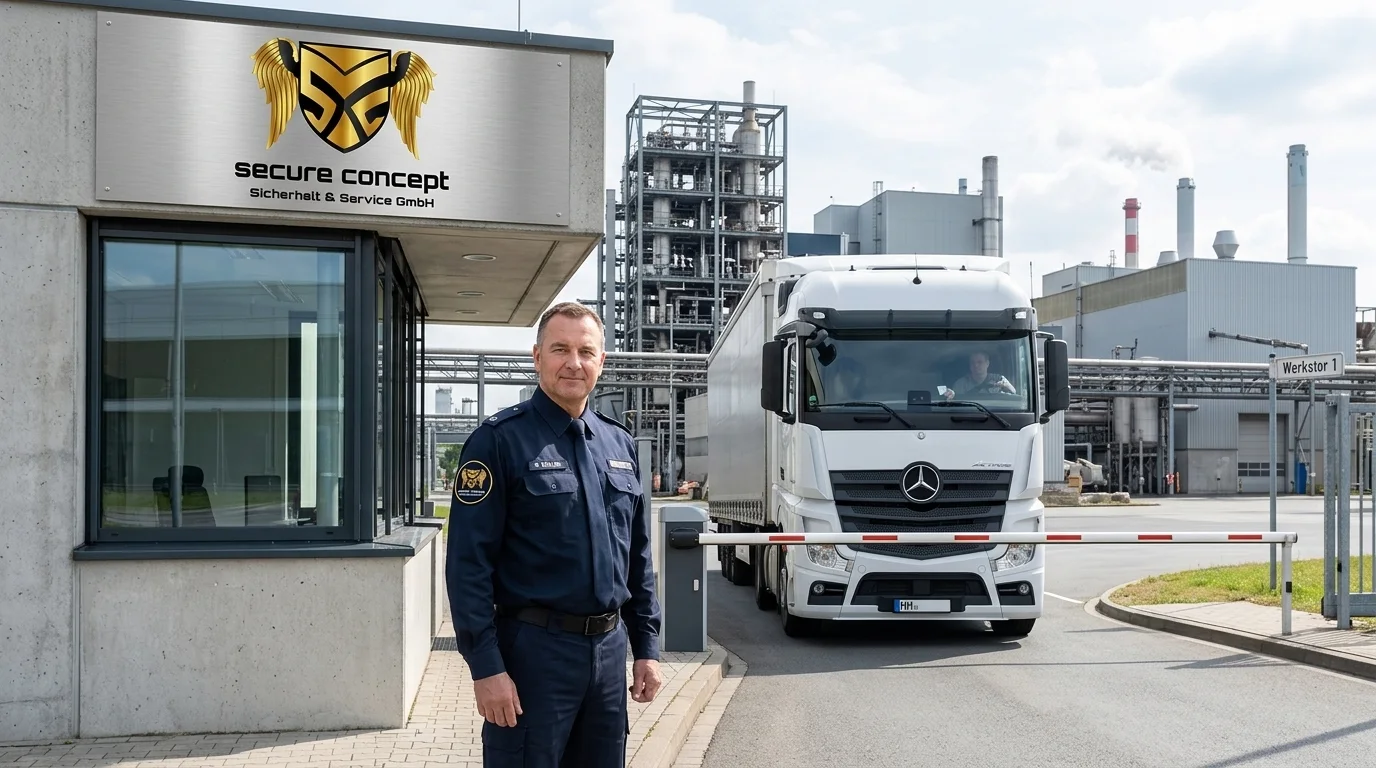
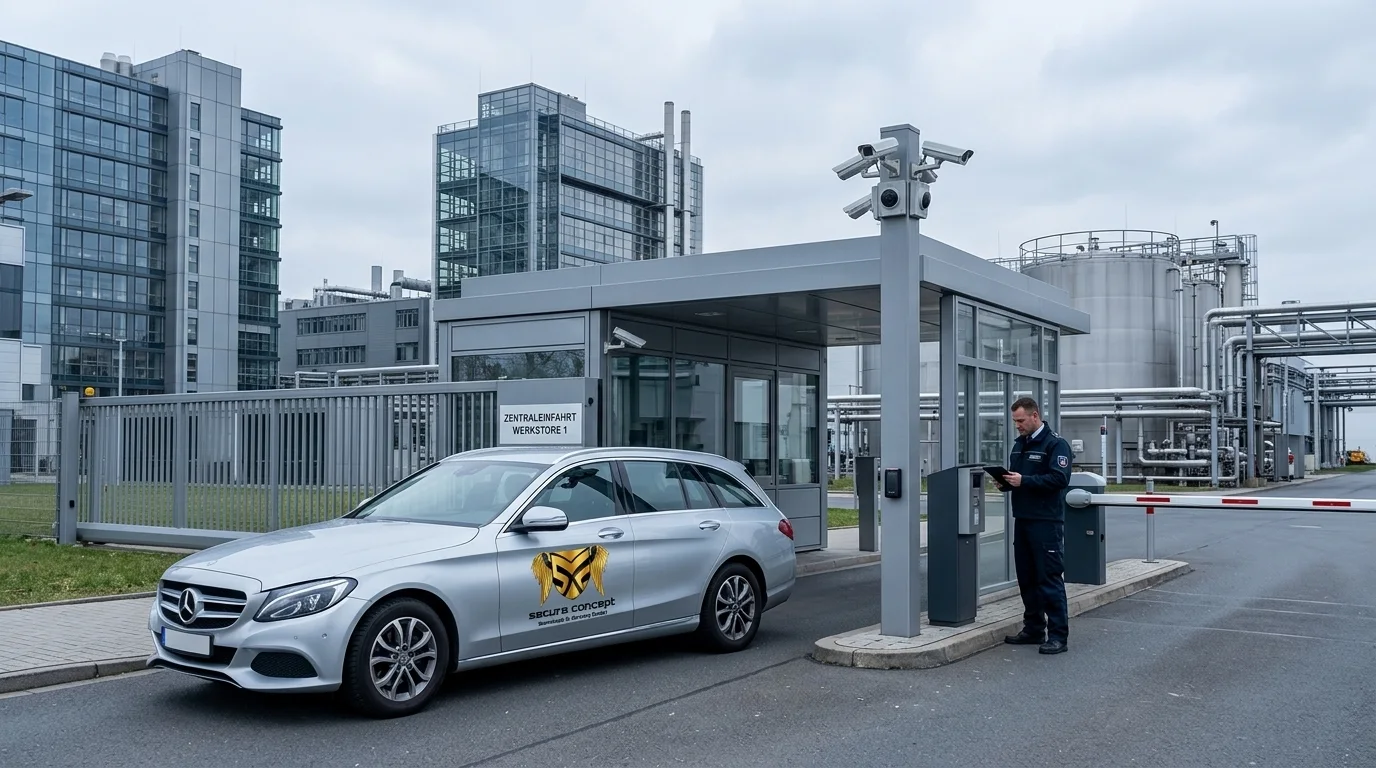
An open factory gate is more than just an unattended entrance. It can disrupt supply chains, allow unauthorized access, and cost valuable response time in an emergency. A gate security service for industrial sites establishes clear procedures at this sensitive point of transition: Who is entering the premises? Where is the person authorized to go? What is the purpose of the visit? And when will they leave the site again?
At industrial facilities in particular, gate operations combine high traffic volumes with demanding security requirements. Employees arrive for their shifts, logistics providers deliver materials, external contractors carry out work, and visitors check in. At the same time, security zones, occupational safety regulations, data protection requirements, and often strict internal procedures must be observed. A professional gate security service brings these requirements together in a controlled process — friendly in communication and consistent in execution.
## The Gate Is Part of the Security Chain
The gate alone does not determine the security of an industrial site. However, it is the point at which access regulations become effective in practice. If identification documents are not checked, visitors are not registered, or vehicles are allowed through without a verifiable reason, security gaps arise. These risks extend beyond theft or vandalism. They may also include sabotage, uncontrolled access to hazardous areas, violations of confidentiality requirements, and potential liability risks.
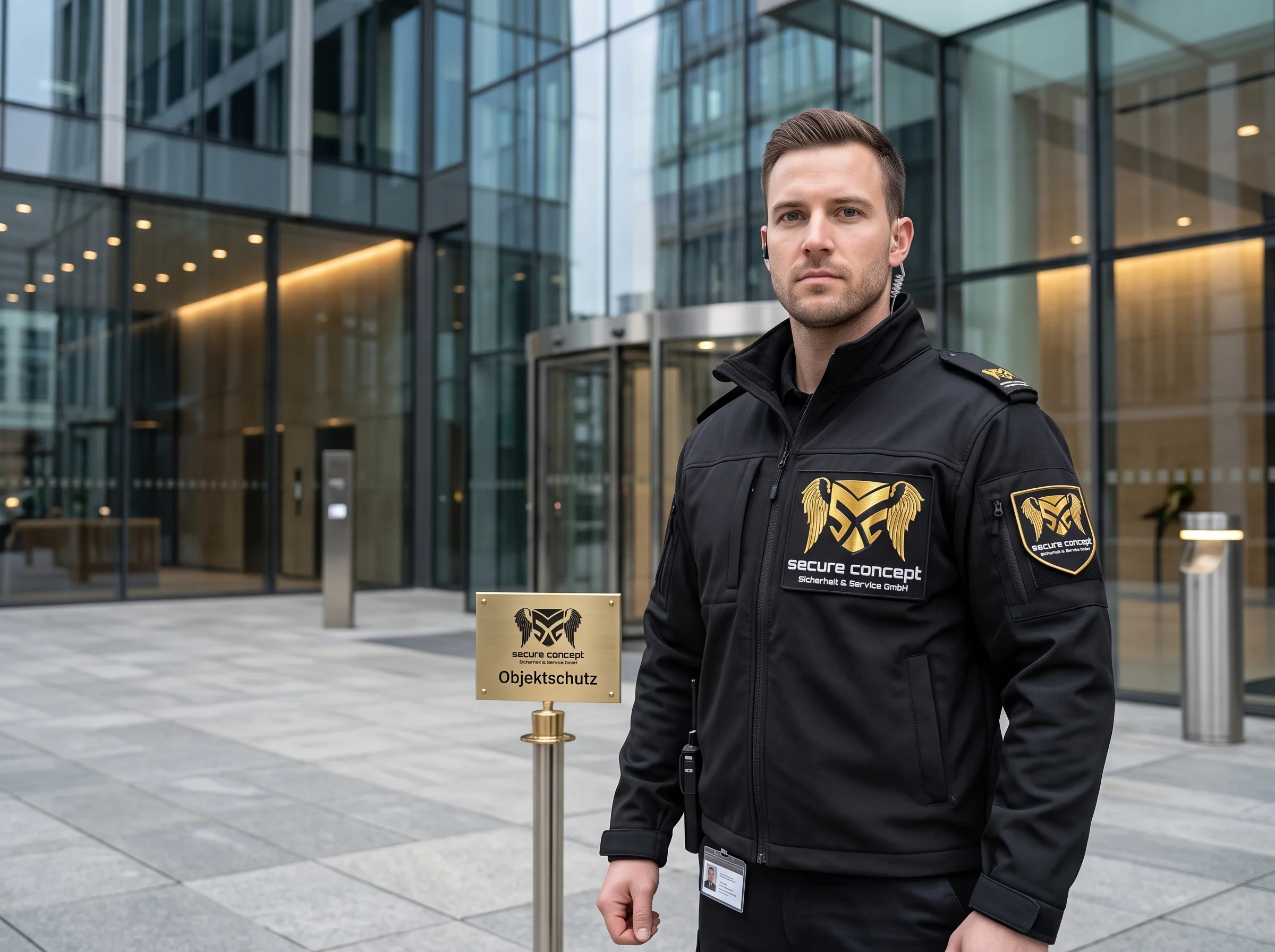
A professionally staffed gate service combines reception, control, and communication. Security personnel verify authorizations, provide visitors with instructions, manage deliveries, and document unusual incidents. In the event of alarms, medical emergencies, or violations of regulations, predefined reporting and response procedures are activated. This transforms a simple presence at the gate into a reliable [component of industrial security](https://secure-concept-gmbh.de/leistungen/werkschutz/).
For operations managers and security officers, one factor is particularly important: gate security must not unnecessarily slow down production and operational processes. Effective security personnel process authorized activities efficiently while giving irregularities the attention they require. Control is not an end in itself. Its purpose is to protect operations without causing unnecessary delays.
## What Gate Security Services for Industrial Sites Actually Provide
The scope of services depends on the premises, shift structure, visitor volume, and risk profile. A facility with only a few scheduled deliveries has different requirements from a site with 24/7 production, hazardous areas, or international visitors. A standardized security model therefore often fails to address the actual needs of an industrial facility.
Typical responsibilities begin with controlling people and vehicles. Employees, suppliers, external contractors, and guests are registered and checked for access authorization according to company procedures. Visitor passes, keys, transponders, and vehicle access permits are issued and returned in a traceable manner.
Managing goods and delivery traffic is another important responsibility. Gate personnel compare delivery documentation with registrations, coordinate waiting areas, and notify the appropriate contacts. Depending on the assignment, they may monitor incoming and outgoing vehicles, document license plates, or help enforce traffic and access regulations throughout the premises.
Reception duties are also part of the service. Guests should not be left standing in front of locked doors or allowed to move through operational areas without guidance. A professionally staffed gate creates the company's first impression: organized, reliable, and attentive. Friendliness and security awareness are not mutually exclusive. On the contrary, they must work together at this critical point.
## Planning Before the First Deployment
Security is not a matter of chance. Before personnel are deployed, the situation on site must be realistically assessed. This includes vehicle entrances and secondary access points, shift changes, traffic flows, existing technical systems, and specific risks. Organizational questions are equally important: Who is authorized to approve access? Which deliveries are expected? How are external contractors instructed? Who can be contacted outside regular office hours?
This information forms the basis of an operational security concept with clearly defined responsibilities. Service instructions specify, for example, how identification documents are checked, when vehicle access must be denied, and which department should be contacted in the event of irregularities. What matters is that these procedures can actually be applied in everyday operations. Instructions that cannot realistically be implemented at the gate do not create security.
### Clear Rules for Exceptional Situations
Exceptional cases are particularly critical. A driver arrives without prior registration. A service provider requires access outside regular working hours. A visitor claims to have an appointment with the managing director but is not registered. In situations like these, gate personnel need clear authority and procedures rather than improvised decisions.
Defined approval procedures ensure that legitimate exceptions remain possible without sacrificing control. This may involve contacting a designated representative, using a digital pre-registration system, or issuing a temporary visitor permit. Documentation remains essential: decisions must be traceable even after the event.
## Personnel, Technology, and Documentation Working Together
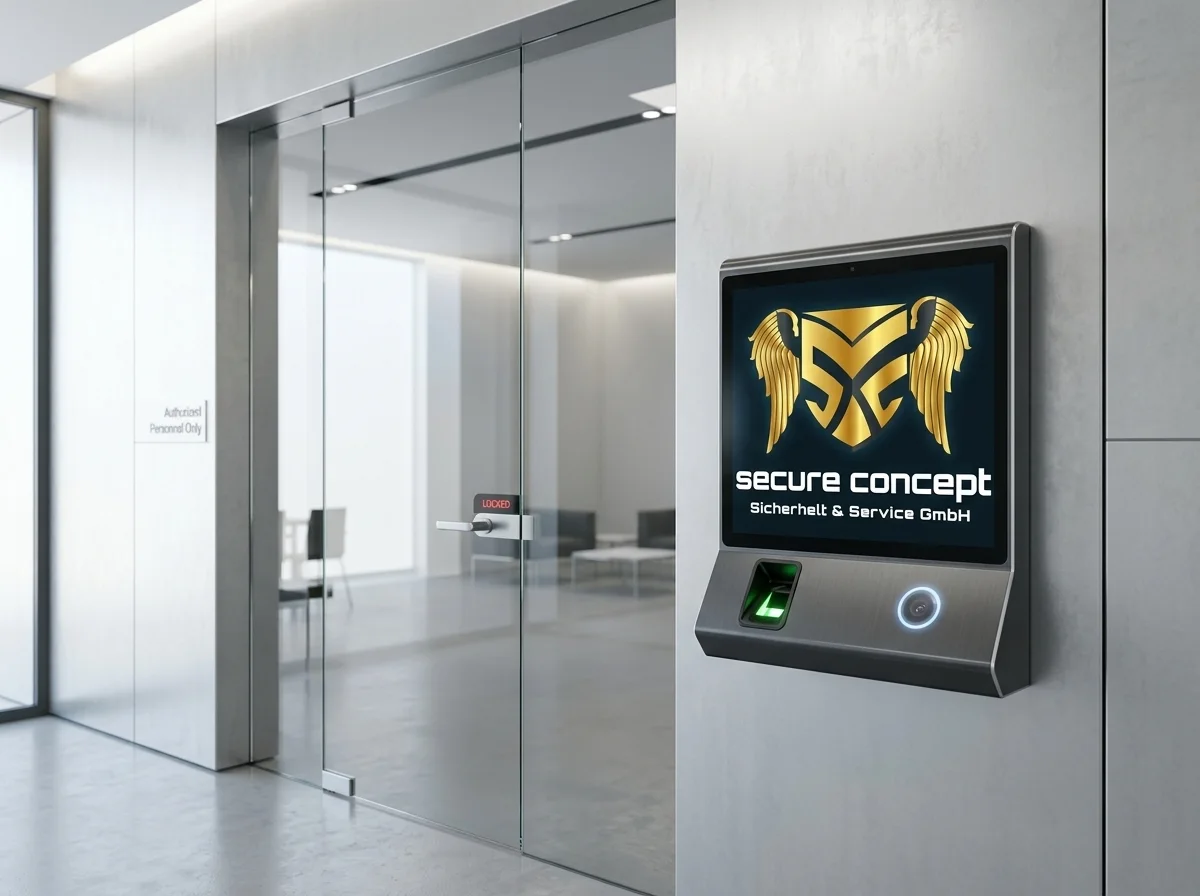
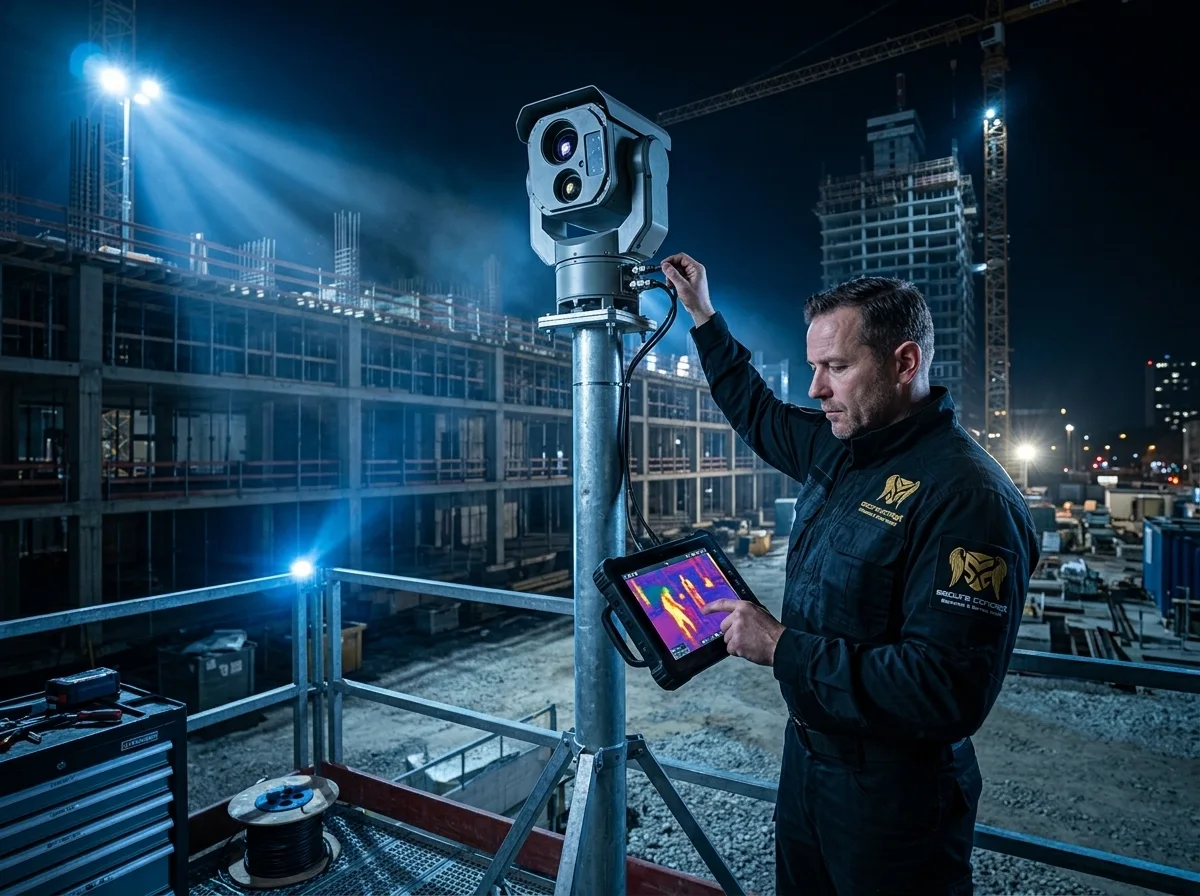
Gate security is most effective when it forms part of an integrated security model. Qualified personnel observe, communicate, and assess situations. Access control systems, barriers, intercom systems, [video surveillance and alarm technology](https://secure-concept-gmbh.de/leistungen/sicherheitssysteme/) support these controls. No single component can completely replace the others.
Technology can restrict access and record events. However, it cannot reliably determine whether a visitor pass is being misused, whether a driver is behaving suspiciously, or whether a conflict at the gate is about to escalate. Conversely, security personnel may reach their limits during periods of heavy traffic without appropriate technical support. The right combination depends on the size of the facility, the required level of protection, and the existing infrastructure.
Consistent documentation creates additional transparency. Shift handovers, visitor movements, key management, patrols, defects, and unusual incidents are recorded in a structured manner. This not only helps clarify incidents later. It also reveals recurring vulnerabilities, such as frequent registration errors, unclear delivery windows, or defective lighting at an entrance.
### Response Procedures Must Work Around the Clock
Many industrial facilities do not stop operating when administrative offices close. It must therefore be clearly established how gate security personnel respond at night, on weekends, and on public holidays. In the event of an alarm, unauthorized vehicle access, or a medical incident, simply having personnel present is not enough. Trained initial response measures, reliable communication, and accessible contacts are essential.
A robust security concept includes coordinated escalation levels. Which situations are reported internally? When should the fire department, emergency medical services, or police be contacted? Who is responsible for documenting the incident? These procedures are agreed upon in advance and reviewed regularly. This establishes responsibility before a situation becomes critical.
## How Clients Can Identify the Right Security Provider
The lowest hourly rate is rarely the decisive criterion. A gate security service must fit the property, the people, and the company's operational processes. Clients should therefore look for verifiable qualifications, dedicated contacts, reliable replacement arrangements, and dependable deployment planning.
The quality of personnel briefings is equally important. Security staff need detailed knowledge of entrances, sensitive areas, visitor regulations, fire safety procedures, and communication channels. Industrial clients often have additional requirements relating to confidentiality, production processes, and specific occupational safety regulations. 100% discretion is not a marketing promise in this environment, but a daily responsibility.
Cooperation should also remain measurable. Regular coordination, documented incidents, and clearly regulated adjustments make it possible to continuously develop and improve gate security operations. When shift schedules, construction phases, delivery processes, or security conditions change, the security concept must adapt accordingly.
Secure Concept GmbH plans gate and industrial security services around these layers of protection: qualified personnel, clear documentation, coordinated technology, and reliable response procedures. Integrity, responsibility, and professionalism define every shift.
A well-organized gate protects more than premises and assets. It provides employees, visitors, and business partners with clear guidance — and ensures that operations begin in a controlled manner at the point where, for many people, the company is first encountered each day.