
How to Professionally Plan Security Services for Trade Fairs
When delivery vehicles, setup crews, exhibitors, and service providers converge at the same entrance before the exhibition halls even open in the morning, an important question is already being decided: Will operations remain organized, or will uncontrolled access become a problem? A security service for trade fairs does not wait until an incident occurs before providing protection. It establishes clear responsibilities, controlled access routes, and a visible point of contact for everyone involved.
Trade fairs are temporary projects characterized by highly dynamic environments. Valuable assets, people, technology, and brand presentations come together within a limited space. At the same time, visitor flows, access permissions, and risk levels can change within just a few hours. Security is not a matter of chance. It must be planned before the first setup begins, actively managed throughout the event, and transparently documented after dismantling is complete.
## Why Trade Fair Security Is More Than a Presence at the Entrance
A single security officer at the door can be useful, but it is rarely sufficient for complex events. Professional trade fair security considers the entire venue as one interconnected operational area: vehicle entrances, delivery zones, exhibition halls, backstage areas, exhibitor spaces, parking areas, and emergency exits must all work together.
Transitions between the different phases are particularly demanding. During setup, technicians and suppliers require access without allowing unauthorized individuals onto the premises. During opening hours, the focus shifts to providing visitors with friendly and efficient admission. After the exhibition closes, the priority becomes protecting exhibits, merchandise, data, and technical equipment. Each phase requires different access permissions, checkpoints, and response procedures.
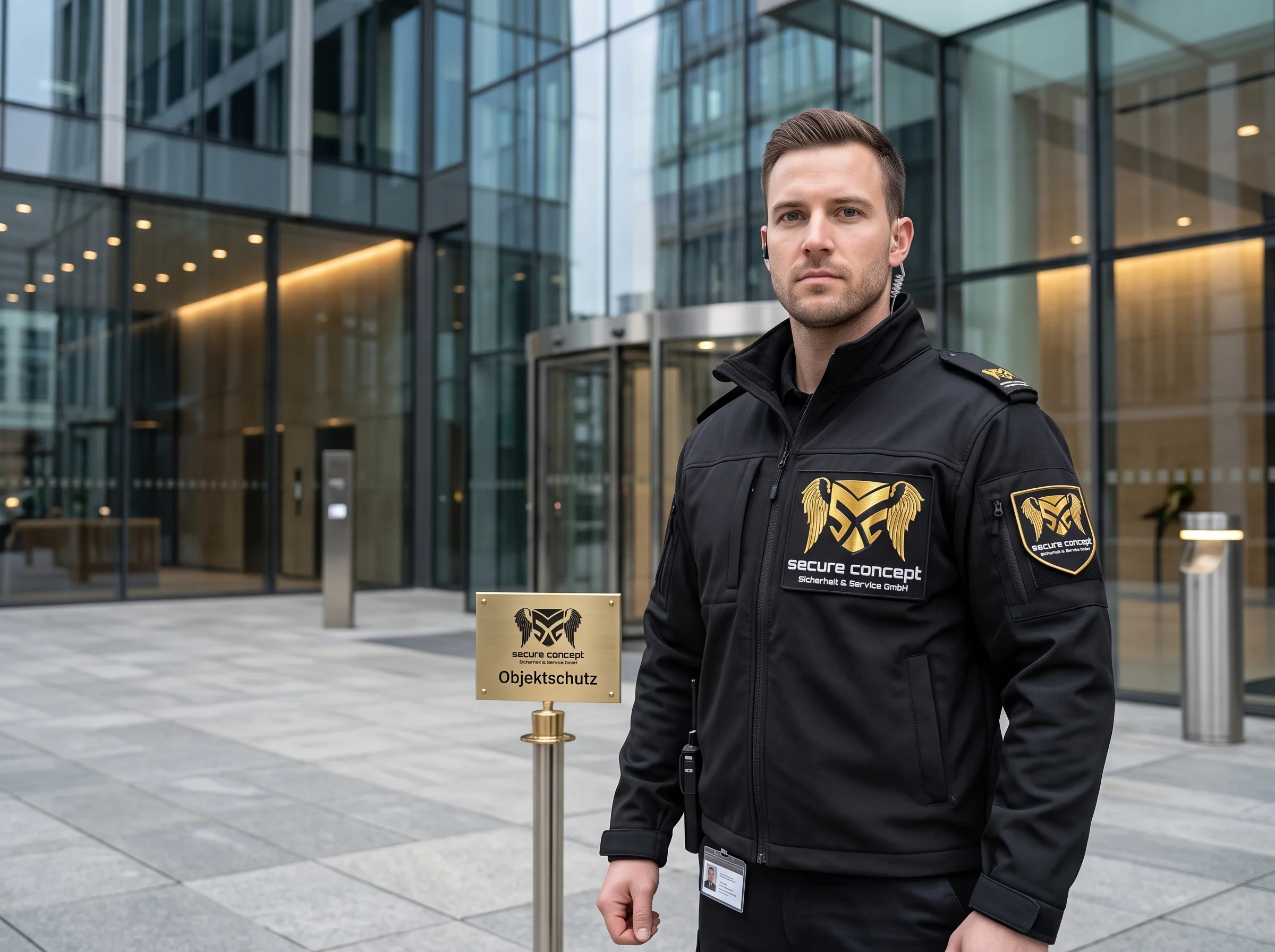
A visible security presence has a preventive effect. It reduces opportunities for theft and other incidents, provides orientation, and gives both visitors and exhibitors a greater sense of security. Discretion nevertheless remains essential: security personnel should remain attentive without disrupting the professional atmosphere of the trade fair or conversations taking place at exhibition stands.
## Security Services for Trade Fairs: Planning Before the First Exhibition Day
A reliable security concept begins with a risk assessment. The size of the trade fair alone is not the deciding factor. Relevant considerations include the expected number of visitors, hall layout, exhibitor profiles, value of displayed goods, delivery arrangements, opening hours, prominent guests, and local requirements. A specialist trade fair with a restricted group of professional visitors requires different measures from a high-traffic consumer exhibition with open public access.
Based on these factors, specific protection objectives are defined. Is the main priority access control? Is theft prevention for valuable exhibits particularly important? Does a VIP area need protection, or does an evening reception require additional security? If several objectives exist simultaneously, clear priorities are essential. No security concept can address every theoretical risk with the same intensity. Measures must correspond to the actual level of risk, the scale of the event, and the available budget.
### Clear Responsibilities Prevent Operational Friction
Before deployment begins, it should be clear who makes decisions and how communication will take place. Event management, the trade fair organizer, technical management, medical services, the fire department, exhibitor support, and the security provider all need clearly designated contacts. When irregularities occur, valuable time should not be lost because reporting procedures are unclear.
A security supervisor coordinates security personnel, adjusts staffing levels when necessary, and documents unusual incidents. These may include denied access attempts, lost property, medical assistance, conflicts, or technical faults. Documentation is not only important for post-event evaluation. It provides transparency during ongoing operations and enables informed and controlled decision-making.
### Access Is a Process, Not Just a Barrier
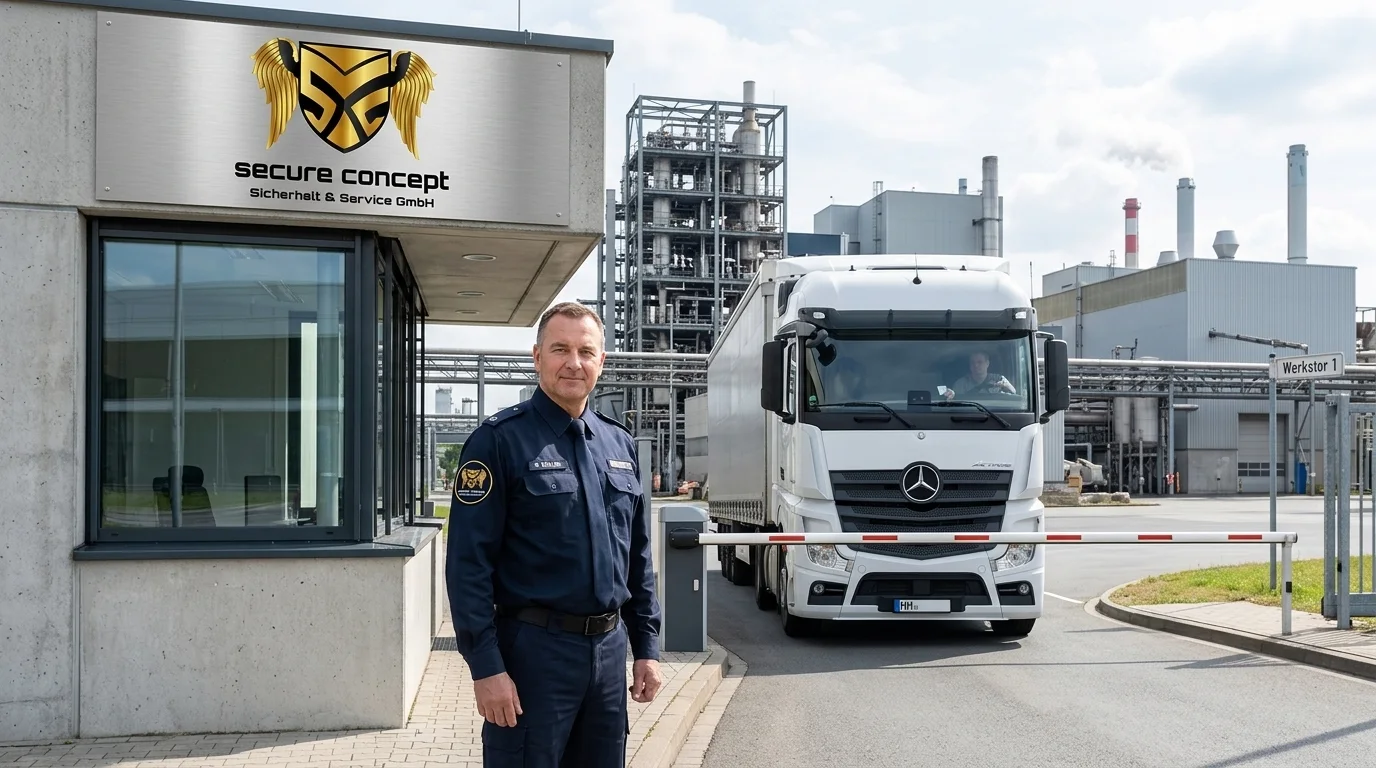
Access control begins at the vehicle entrance and does not end at the exhibition hall doors. Accreditation, exhibitor and service provider passes, delivery windows, and visitor authorizations must all be clearly and transparently regulated. The objective is to create a solution that combines security with efficient operations. Excessively strict controls at a poorly planned checkpoint create unnecessary queues. Procedures that are too open, on the other hand, create security vulnerabilities.
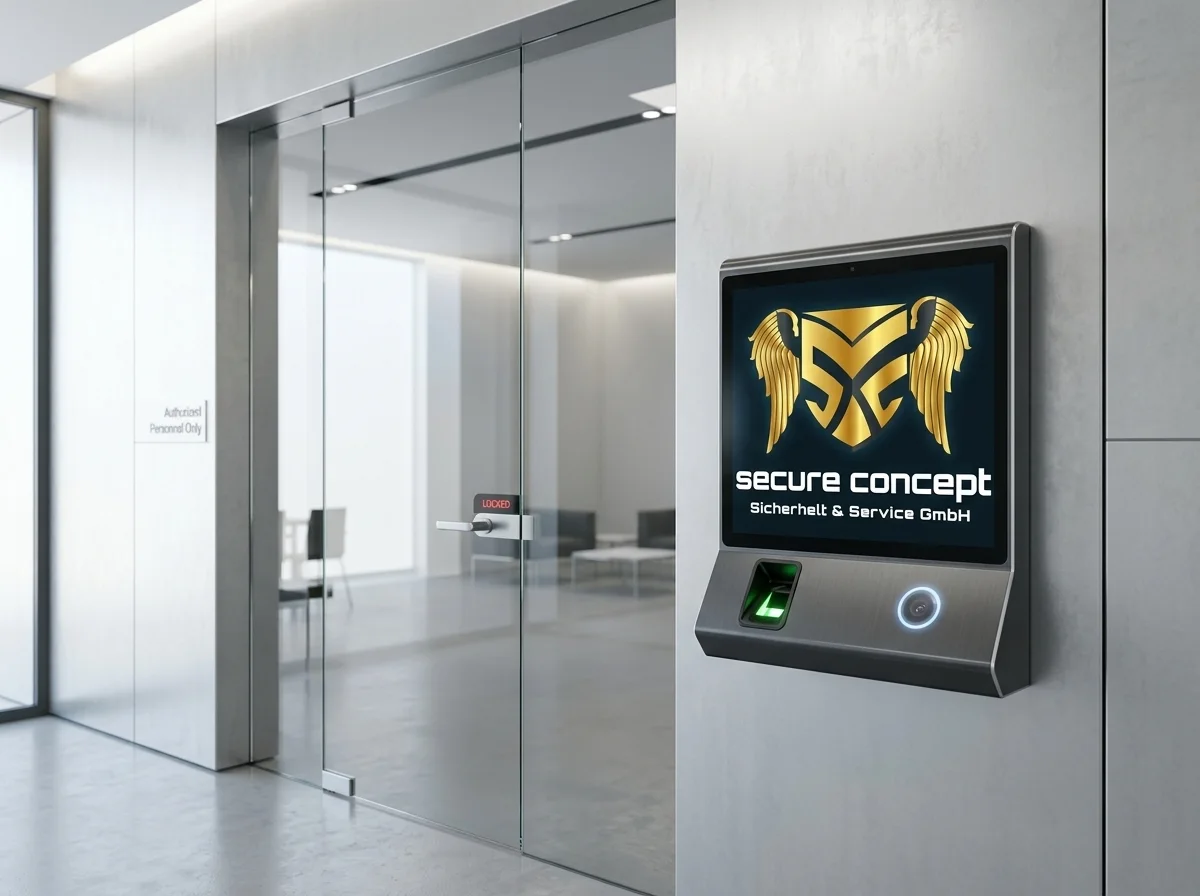
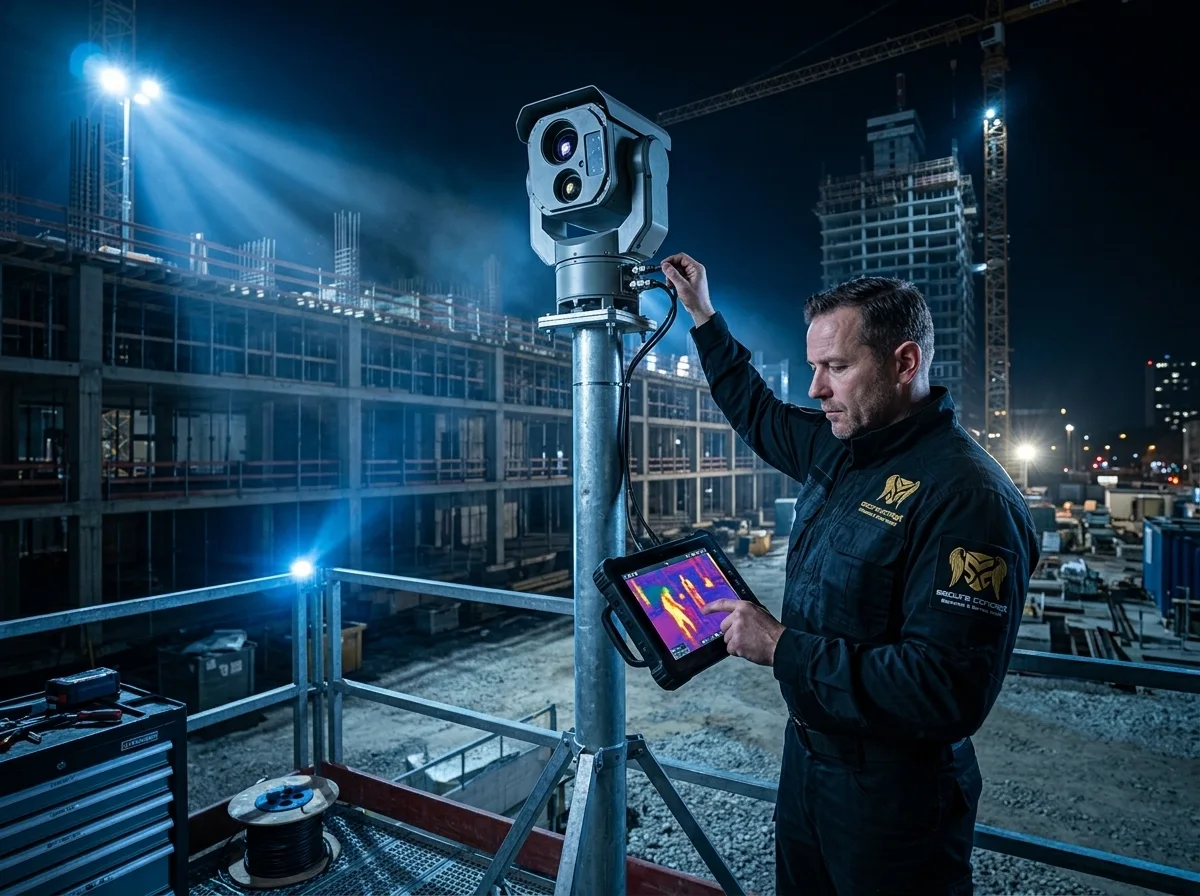
Depending on the trade fair concept, personnel-based controls can be supplemented by [technical security systems](https://secure-concept-gmbh.de/leistungen/sicherheitssysteme/). These may include digital access credentials, video surveillance in sensitive areas, alarm systems, or coordinated vehicle access management. Technology improves visibility and control, but it does not replace responsible assessment by trained personnel. An alarm becomes effective only when it is clear who receives it, who verifies it, and what action follows.
## Layered Protection During Setup, Operation, and Dismantling
The three main phases of a trade fair differ significantly. Anyone who secures only the official opening hours often leaves vulnerabilities precisely where maintaining control is most difficult.
During setup, numerous external personnel are active on site. Materials are delivered, tools are left accessible, and hall doors may remain temporarily open. Security personnel verify authorizations, manage vehicle access, and ensure that emergency and rescue routes remain unobstructed. For sensitive installations, additional [targeted guarding services](https://secure-concept-gmbh.de/leistungen/baustellenbewachung/) may be required for individual areas.
During regular exhibition operations, the focus shifts to visitor management, access control, and responding quickly and professionally to violations of rules. Security personnel also serve as points of contact: they provide directions, assist with lost persons or property, and identify conflicts before they escalate. Professionalism is often demonstrated in situations that remain almost invisible to visitors.
After the trade fair closes, the situation changes once again. Exhibitors leave the halls while cleaning and technical teams continue working, and valuable exhibits remain behind. Security patrols, access controls, and coordinated alarm response now provide additional protection for particularly sensitive areas. Dismantling presents challenges similar to setup, often under even greater time pressure. Access permissions and responsibilities must therefore remain clearly defined throughout this phase as well.
## The Right Staffing Determines Effectiveness
Trade fair security requires more than simply assigning a standard number of security officers per square meter. Staffing requirements depend on visitor routes, the number of halls, expected attendance, opening hours, and the specific protection objectives. A small industry event with only a few entrances requires a different staffing structure from a multi-day exhibition with evening events and simultaneous delivery traffic.
In addition to numbers, qualifications matter. Security personnel must communicate in a de-escalating manner, act within the applicable legal framework, and remain calm under pressure. They need a professional appearance, strong German-language skills, and an understanding of how their behavior reflects on the organizer. At reception points or in VIP areas, 100% discretion is part of the assignment. At vehicle entrances, consistency and assertiveness may be more important.
Shift planning also requires careful attention. Long opening hours, break schedules, rotations at critical checkpoints, and additional staffing during peak periods must be planned realistically. Understaffing not only creates security vulnerabilities but can also reduce service quality and the ability to respond effectively to incidents.
## Preparing Response Procedures for Emergencies
Not every incident is an emergency. This is precisely why clearly graduated response procedures are necessary. A lost access badge, an argument at an exhibition stand, a suspicious object, or a medical incident each requires a different response. Security personnel must know when to act independently, when to involve the security supervisor, and when the police, fire department, or emergency medical services need to be contacted.
A professional security concept should also include evacuation procedures. Emergency exits must remain clear and known to personnel, assembly points must be established, and public announcements should be coordinated with event management. Regular situation assessments during larger trade fairs help identify changing conditions at an early stage: Is visitor volume increasing? Is a queue developing at a particular entrance? Are recurring incidents being reported in a specific area?
Secure Concept combines qualified personnel, technical protection systems, and clearly defined response procedures into a coordinated operational security concept. Available around the clock, with transparent documentation and responsible action on site.
## What Organizers Should Consider When Selecting a Security Provider
When selecting a security provider, an offer should not be evaluated solely on the basis of the hourly rate. The decisive question is whether the provider understands the specific circumstances of the event and can justify its proposed security plan. General promises offer little value if vehicle entrances, visitor profiles, and sensitive areas have not been properly considered.
A reliable security partner clarifies operating hours, checkpoints, communication structures, technical interfaces, and escalation procedures in advance. The provider appoints a responsible security supervisor and ensures that all deployed personnel receive appropriate on-site instructions. Changes during the trade fair must be implemented without losing important information.
Cooperation with other service providers is equally important. Security, [cleaning services](https://secure-concept-gmbh.de/leistungen/reinigungsdienste/), technical teams, and reception personnel interact continuously during day-to-day event operations. When these areas work in coordination, access routes remain clear, irregularities are reported more quickly, and visitors experience the event as organized and professional.
A well-secured trade fair rarely attracts attention through spectacular security measures. Instead, effective security is reflected in clear access routes, smooth operations, accessible points of contact, and the confidence that someone will immediately take responsibility when something deviates from the plan. This controlled security gives organizers the freedom to focus on what truly matters at a trade fair: successful connections, business opportunities, and a professional presentation.