
How to Properly Plan Alarm Monitoring and Intervention

An alarm alone is not a security service. Only proper assessment and a clearly defined response can turn a technical signal into effective protection. Alarm monitoring with intervention combines both: alerts are received around the clock, assessed, and handled according to predefined procedures. For businesses, property managers, and operators of sensitive sites, this means one thing above all: in an emergency, there is no uncertainty about who takes action and what happens next.
## Why Alarm Notifications Need Clear Response Procedures
A triggered intrusion, panic, fire, or technical alarm can have many different causes. It may indicate an actual security incident, but it could also result from incorrect operation, an open door, a faulty sensor, or a transmission problem. Treating every alert as an emergency can lead to unnecessary deployments. Waiting too long, however, can result in damage, operational disruptions, or risks to people.
The role of a professional monitoring center therefore goes beyond simply forwarding alarm signals. It verifies and assesses alerts before initiating the agreed response. This process is based on property-specific information: alarm zones, designated contacts, access routes, keyholding authorizations, technical characteristics, and escalation levels. This information must be up to date, complete, and unambiguous in the event of an incident.
This is particularly important for commercial properties. An industrial site has different priorities from an office building, construction site, or event venue. At a production facility, the failure of critical systems may be a significant concern, while construction sites are often more exposed to unauthorized access, material theft, and vandalism. Security is not a matter of chance. It begins with a response procedure tailored to the actual risk.
## Alarm Monitoring With Intervention: What Happens When an Alarm Is Triggered
A reliable security concept follows a clearly defined process. First, an alarm notification is received by a continuously staffed alarm receiving and service center. The signal is assessed based on the information stored for the property. Depending on the installed technology, additional information may be available, such as the affected alarm zone, a technical fault notification, or visual verification through video surveillance.
The agreed intervention procedure is then initiated. This may involve dispatching a qualified intervention officer, notifying a designated responsible person, or — in the event of an immediate threat — contacting the police, fire department, or emergency medical services. The sequence is not a standardized solution. It is defined in advance in the alarm response plan and must remain both legally compliant and practically feasible at all times.
When an intervention officer arrives at the property, they assess the situation while observing personal safety requirements, property rights, and clearly defined authority. They may inspect entrances, external areas, and the affected alarm zone, determine the cause where possible, and initiate any necessary follow-up measures. These may include securing an access door, protecting a damaged opening, assisting emergency services, or notifying an appropriate technical emergency service.
Every step is documented. The time of the alarm notification, actions initiated, observations made on site, and handovers to responsible parties form a traceable incident record. For operators, this transparency is important not only for internal evaluation but also for insurance claims, quality audits, or subsequent coordination with authorities.
## Technology, Personnel, and Organization Must Work Together
Alarm technology creates awareness of an incident. However, it cannot replace qualified assessment or an on-site response. An alarm system without a clearly defined intervention plan may ultimately result in a phone call that nobody answers during the night. A mobile patrol service without reliable alarm monitoring, on the other hand, may learn about an incident too late. Effective protection requires multiple layers.
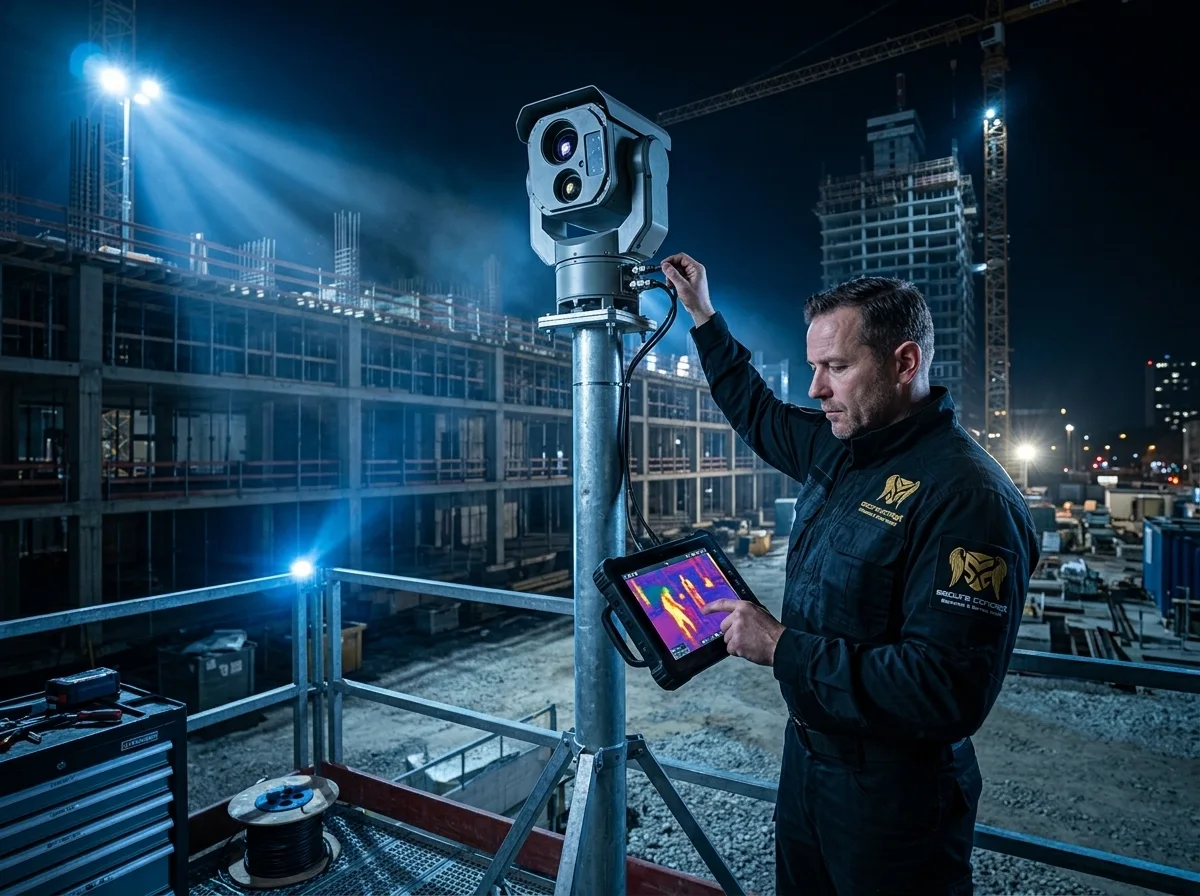
These layers include a professionally [planned alarm system](https://secure-concept-gmbh.de/leistungen/sicherheitssysteme/), suitable transmission channels, and a monitoring center capable of reliably processing incoming signals. Trained personnel are also required, either with knowledge of the property or access to complete site information. Access control, video surveillance, [mobile patrols](https://secure-concept-gmbh.de/leistungen/objektschutz/), and [reception services](https://secure-concept-gmbh.de/leistungen/pforten-empfangsdienst/) can complement this security architecture effectively.
The appropriate combination depends on several factors, including the location and size of the property, the assets present, operating hours, visitor frequency, and potential risks. An unattended warehouse often requires different measures from an administrative building with public access. The expected intervention time and distance from the response team should also be considered openly during the planning process.
## What a Good Alarm Response Plan Defines
The alarm response plan is the operational foundation of monitoring. It must not remain vague. Instructions such as “inspect the property in the event of an alarm” are insufficient when a site contains multiple buildings, entrances, or areas of responsibility.
A practical alarm plan defines which notifications receive which priority, who must be contacted and in what order, and when external emergency services should be involved. It records designated contacts and their availability, describes access routes and entry procedures, and regulates the handling of keys, codes, or electronic credentials. Clear requirements for documentation and incident handover are equally important.
False alarms require particular attention. They cannot be eliminated completely, but their causes can often be systematically reduced. Recurring false alerts may indicate poorly configured sensors, organizational weaknesses, or operating errors. Regular analysis helps prevent employees and responsible personnel from becoming less attentive to alarms over time.
Changes to a property must also be incorporated into the alarm response plan promptly. New tenants, changed opening hours, construction phases, renovations, or new contacts can directly affect the response process. A dataset created once is not a security concept for years to come. It requires maintenance, review, and adjustment whenever necessary.
## Intervention Is More Than a Routine Inspection
In the event of an alarm, the intervention officer assumes an important and responsible role. They are often among the first to arrive at the property, assess the situation, and coordinate the next steps within the agreed framework. This requires professionalism, calm decision-making, and 100% discretion.
Realistic expectations are essential. Security personnel do not replace the police or fire department and should never enter dangerous situations without proper consideration. If there are signs of a break-in, violence, fire, or a medical emergency, notifying the appropriate emergency and security services takes priority. The intervention officer secures, observes, supports, and documents — they do not take unnecessary risks.
For less urgent incidents, intervention can effectively protect business operations. An open gate can be secured, a water leak can be reported to the technical emergency service, or an unauthorized person on the premises can be identified and dealt with in accordance with applicable procedures. Such measures often prevent secondary damage before it becomes costly or more serious.
## Alarm Monitoring as Part of an Integrated Security Concept
Alarm monitoring is particularly effective when it is not treated as an isolated service. Professionally controlled access, visitor registration at reception, video surveillance of sensitive areas, and mobile patrols outside operating hours create multiple layers of protection. The alarm system then serves as an escalation layer that activates when preventive measures are no longer sufficient.
For operators, this combination offers another important advantage: responsibilities remain clearly defined. Employees do not have to travel to the property themselves during the night or assess unclear alarm situations. Management benefits from established reporting procedures, while security managers can rely on documented processes and dependable points of contact.
Secure Concept plans these services according to the specific requirements of each property — from risk assessment and defining intervention procedures to ongoing monitoring and review of operational processes. The objective is not to deploy the greatest possible amount of technology, but to implement the right security solution for the individual location and its specific risks.
A well-designed alarm response plan proves its value long before a serious incident occurs. It creates confidence in everyday operations because responsibilities are clear, alarm notifications do not go unanswered, and when it matters most, someone is ready to take controlled and appropriate action.