
Industrial Security for Safe and Efficient Operations
An unsecured factory gate, undocumented access by an external contractor, or an open side door can significantly disrupt business operations. Industrial security does more than provide a visible presence in such situations; it establishes a controlled security structure. It protects people, assets, production processes, and sensitive areas around the clock, tailored to the actual requirements of each site.
## What Industrial Security Provides
Industrial security involves the organized guarding and protection of corporate and industrial premises. This includes production facilities, logistics areas, warehouses, administrative buildings, energy facilities, company yards, and technical auxiliary installations. The task does not begin only when intervention is required after an incident. It starts much earlier: by controlling vehicle access, verifying authorizations, monitoring security-sensitive areas, and ensuring that every relevant activity is documented in a traceable manner.
For operations managers and security officers, it is particularly important that security supports rather than disrupts operational processes. Employees, suppliers, and visitors should be able to rely on clearly defined routes and responsibilities. Unauthorized persons, theft, vandalism, attempted sabotage, or violations of internal regulations, on the other hand, must be identified at an early stage and handled consistently.
A professional security service combines a visible presence with discreet action. This applies at the factory gate as much as it does in a control room, during patrols outside regular operating hours, or during shift changes. Security is not a matter of chance. It is created through defined procedures, qualified personnel, and a response system that works when an incident occurs.
## Industrial Security Begins With a Reliable Risk Assessment
No two businesses are alike. A logistics center has different risk factors from a production facility with hazardous materials storage or a construction site located on active industrial premises. Industrial security should therefore not be commissioned as a standardized package. What matters are the actual conditions on site: the size of the premises, access points, shift patterns, visitor volumes, movement of goods, technical installations, and existing security measures.
A risk assessment identifies critical zones and typical operational processes. Where do people and vehicles enter the premises? Which areas require special access authorization? At what times are fewer personnel present? Which assets, data, or materials require increased protection? The planning process should also consider how quickly the police, fire department, internal contacts, or technical emergency teams can be involved when necessary.
The result is an operational security concept with clear priorities. It defines which checkpoints should be staffed, how frequently patrols should be conducted, how visitors are registered, and which reporting procedures apply when irregularities are identified. Effective security planning must also remain adaptable. New construction phases, changing supply chains, or seasonal peaks in activity can alter security requirements.
### Access Control as the First Layer of Protection
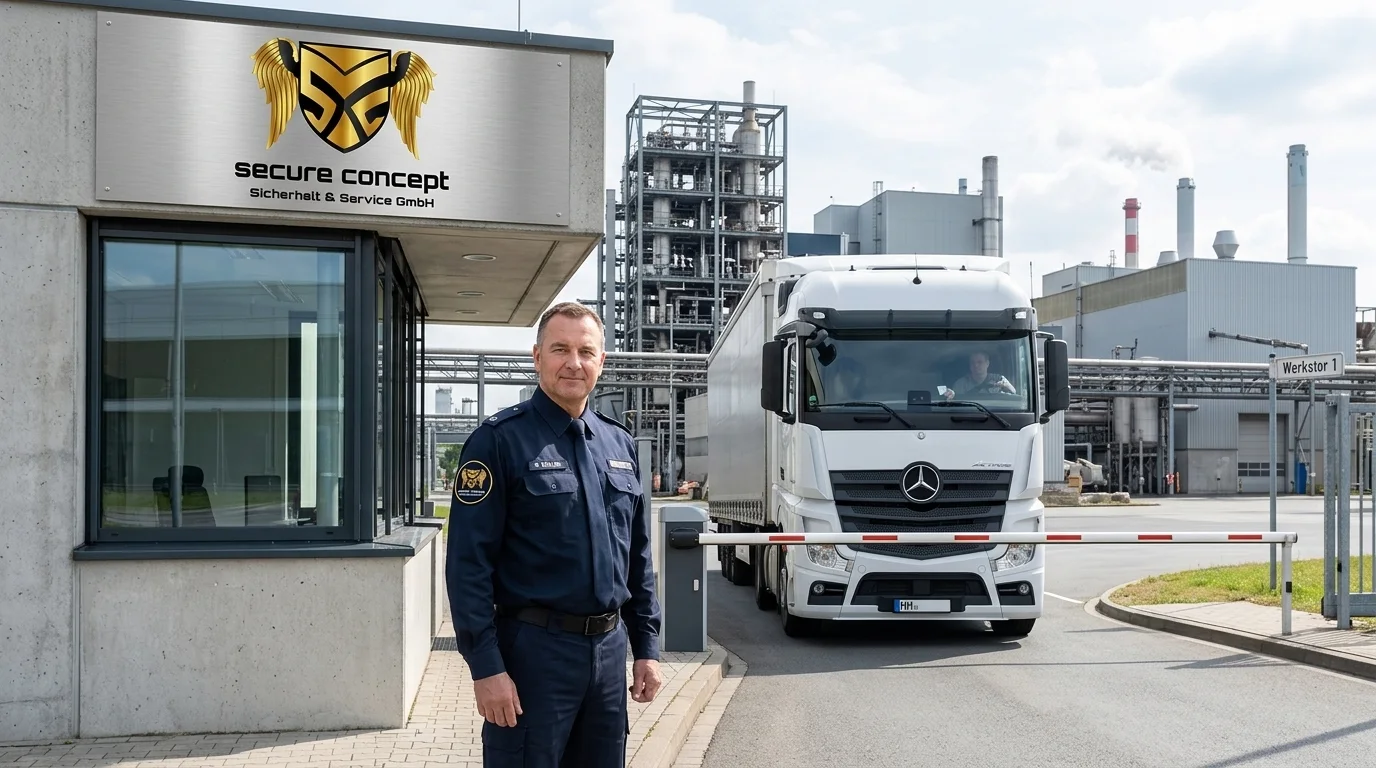
The entrance is often the most important checkpoint of an industrial site. This is where decisions are made about who may enter the premises and which vehicles are authorized to access the site. Industrial security personnel check identification documents, delivery papers, registrations, and vehicle access permits. When necessary, they coordinate visitors with the relevant contacts, register external contractors, and document vehicle movements.
This control is more than a formality. It prevents unauthorized individuals from moving unnoticed throughout the premises while creating a reliable process for authorized visitors and suppliers. Friendly in approach, consistent in verification — this combination defines a professional [gate and reception service](https://secure-concept-gmbh.de/leistungen/pforten-empfangsdienst/).
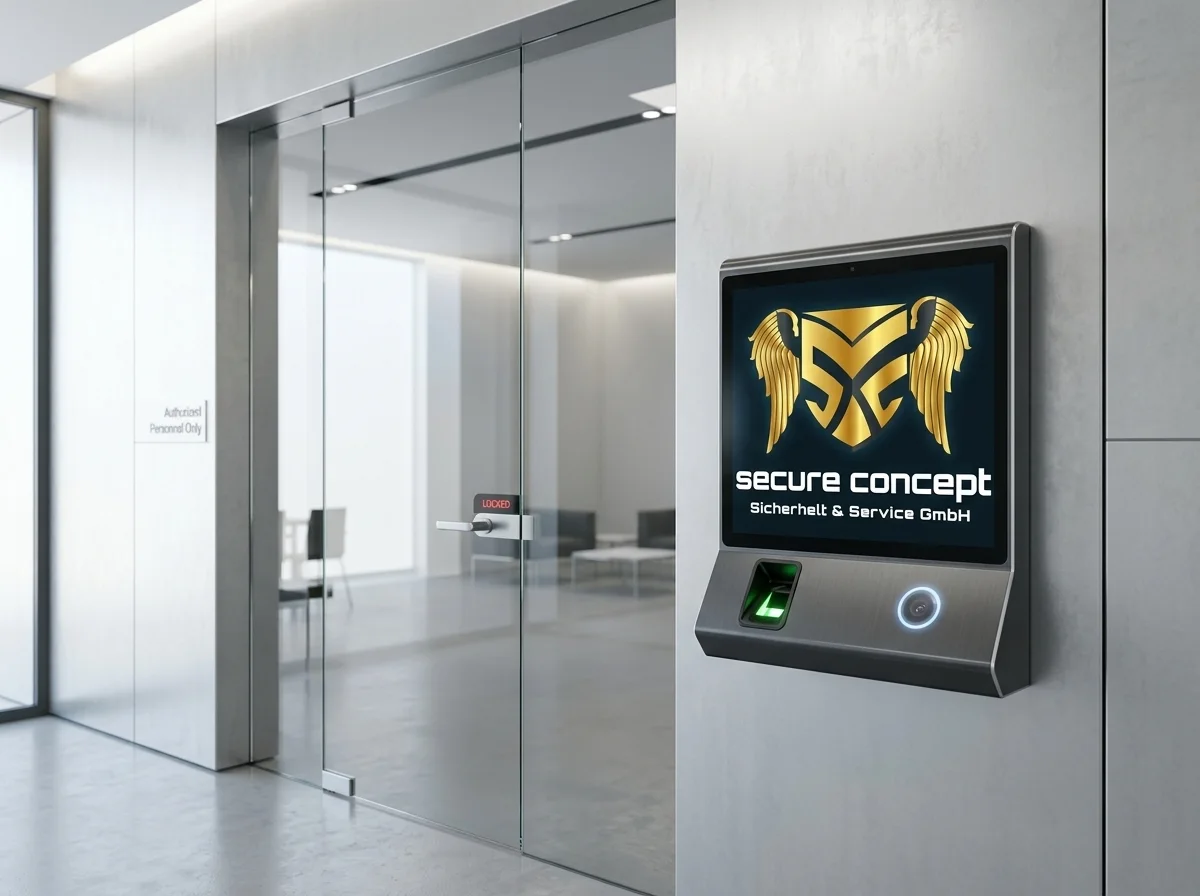
Depending on the site, personnel-based controls can be supplemented with barrier systems, electronic access control, license plate recognition, or visitor management systems. Technology can accelerate processes and provide reliable records. However, it cannot replace the careful judgment of a trained security professional when documents appear inconsistent, established procedures change, or a situation is unclear.
### Security Patrols and Monitoring
Many risks do not appear at the main entrance. Open windows, damaged fences, unusual noises, parked vehicles, or technical faults are often detected only during regular patrols. Security personnel therefore inspect designated areas according to a defined schedule and respond to irregularities in accordance with clearly established procedures.
Digital patrol systems can support this work. Checkpoints, timestamps, and observations can be recorded in a traceable manner. This provides clients with reliable documentation: Which areas were inspected and when? What was identified? What action was taken? Particularly on large industrial premises or across multiple shifts, this transparency provides greater control over security operations.
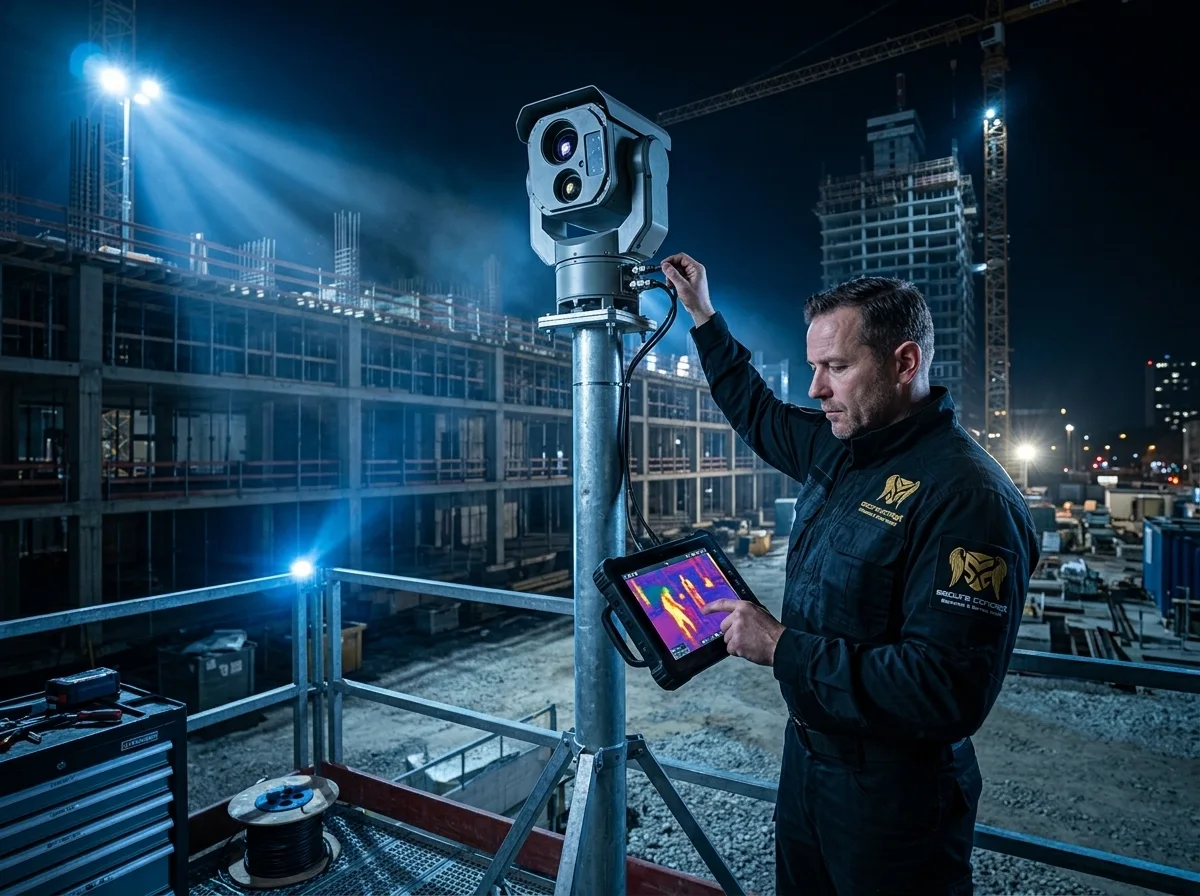
[Video surveillance and alarm monitoring](https://secure-concept-gmbh.de/leistungen/sicherheitssysteme/) extend the scope of monitoring. They are particularly useful for remote entrances, outdoor storage areas, perimeter fencing, or technical rooms. Their effectiveness, however, depends on proper integration. A camera without structured monitoring and alarm procedures cannot prevent damage on its own. Technology becomes an effective layer of protection only when responsibilities, response times, and escalation procedures are clearly defined.
## Response Procedures Make the Difference in an Emergency
During an attempted break-in, fire alarm, confrontation, or medical emergency, it is not enough simply to have a security officer on site. What matters is whether everyone involved knows exactly what to do. Who reports the incident? Who assesses the situation? When should the police, fire department, or emergency medical services be contacted? Who informs operational management and secures relevant information?
These response procedures must be defined before an incident occurs, clearly communicated, and regularly reviewed. Sound judgment is essential. Not every irregularity requires the same response. A defective door needs to be secured and reported, whereas an immediate indication of danger may require urgent action. Professional industrial security assesses each situation, acts within its authority, and documents every relevant step.
Cooperation with internal departments is particularly important. Security personnel need accessible contacts, up-to-date emergency plans, and clear regulations governing sensitive areas. At the same time, businesses benefit from concise and accurate reporting rather than receiving unclear information after a shift has ended. In this way, security incidents are not only managed but also used to improve future security measures.
## Combining Personnel, Technology, and Organization Effectively
Deploying personnel alone is not always the best solution. At a small, manageable site, targeted patrols combined with alarm monitoring may be sufficient. A facility with multiple entrances, heavy delivery traffic, and high-value production, however, will often require a permanently staffed gate, mobile patrols, technical surveillance, and coordinated escalation procedures.
The right combination depends on the risk profile, operating hours, and economic requirements. Insufficient protection creates security vulnerabilities. Excessive controls can slow down deliveries and reduce acceptance among employees and contractors. A [tailored security concept](https://secure-concept-gmbh.de/leistungen/individuelle-loesungen/) provides consistent protection without placing unnecessary strain on operations.
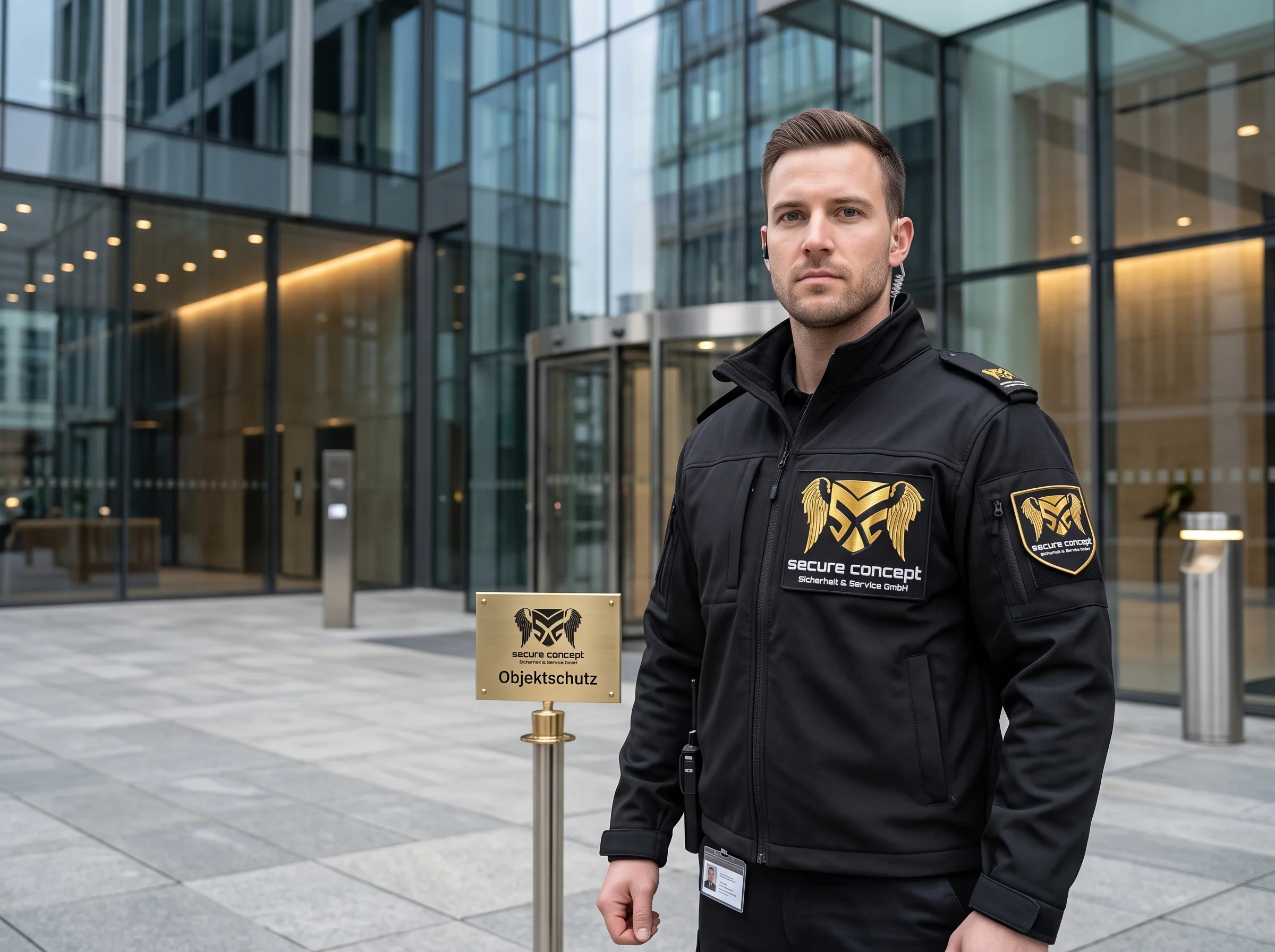
The qualifications of deployed personnel are equally important. Industrial security officers represent the company when interacting with visitors, external contractors, and employees. They must confidently apply access regulations, de-escalate conflicts, identify suspicious activity, and remain calm in critical situations. Integrity, responsibility, and 100% discretion are not optional extras; they are fundamental requirements for trusted professional security services.
Secure Concept plans security services around these layers of protection, coordinating personnel, technical systems, and organizational processes according to the requirements of each individual site. This creates clearly defined responsibilities, even when circumstances change outside regular operating hours.
## Documentation Creates Control and Legal Certainty
Security operations must be traceable. Professional reporting records inspections, visitor movements, observations, alarm notifications, and measures taken. This information provides those responsible with a realistic overview of the security situation and helps identify recurring vulnerabilities.
Relevance is essential. Not every routine action requires an extensive report. Critical incidents, deviations, and measures taken, however, must be documented completely, objectively, and promptly. This supports internal decision-making and can be of considerable importance in the event of damage or a security incident.
Data protection and confidentiality are also part of everyday security operations. Access data, video recordings, personnel information, and details concerning sensitive operational processes must be handled securely and responsibly. Security providers have a particular responsibility toward clients, employees, and visitors in this regard.
## When Industrial Security Is Particularly Valuable
The need for increased protection is particularly common at sites with high-value goods, extensive outdoor areas, shift operations, frequent delivery traffic, or sensitive production processes. Renovations, personnel changes, conflict situations, or a series of thefts may also provide reasons to review existing security measures. Industrial security, however, is not merely a response to specific incidents. Preventive structures reduce risks before they can interfere with business operations.
The most effective security solution is one that fits the individual site and is understood by the people working there. When access is clearly regulated, patrol routes are intelligently planned, and responsible contacts are available around the clock, security becomes a reliable part of everyday operations — visible when it is needed and discreet when everything is running according to plan.