
How to Properly Plan Property Security for Commercial Properties
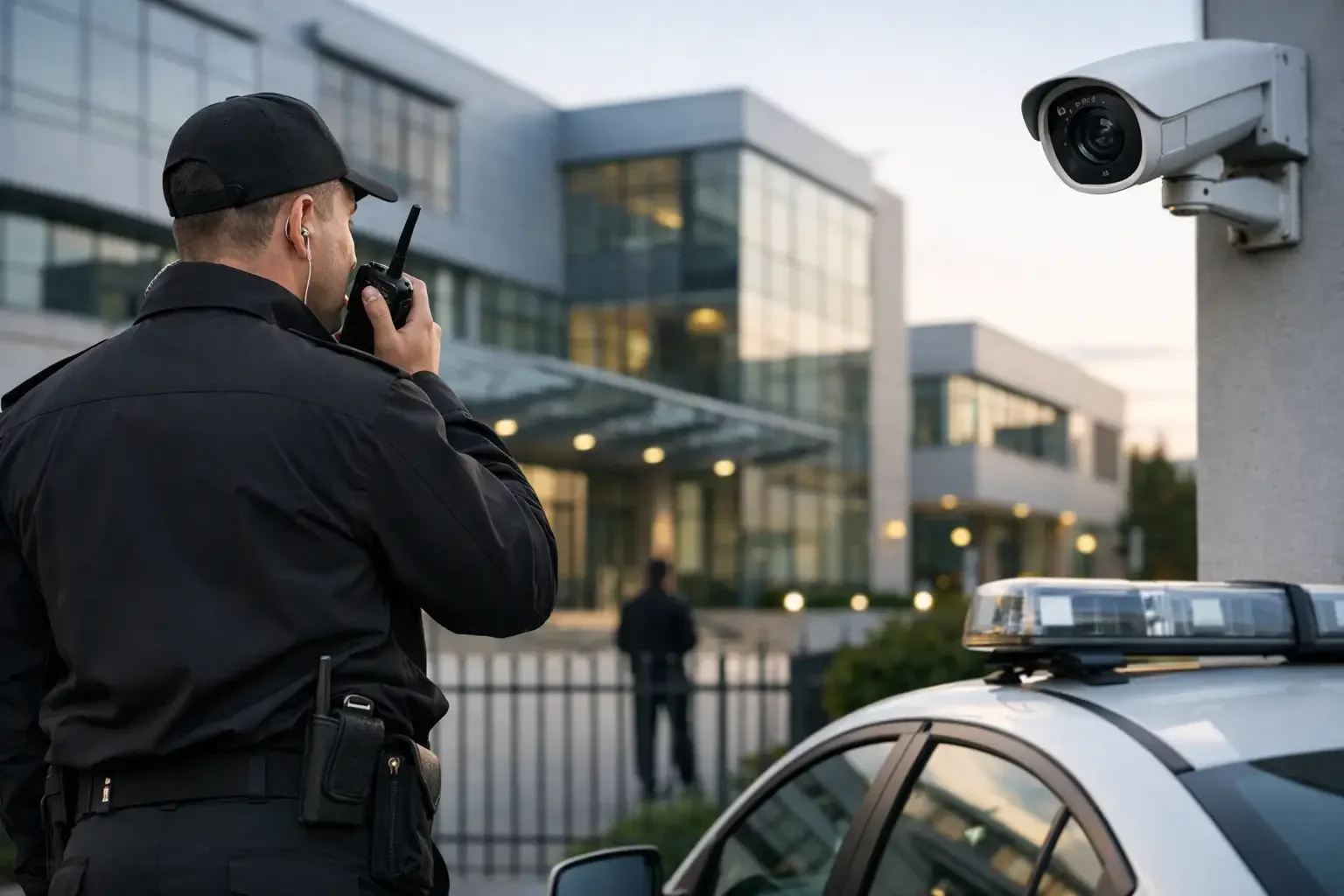
An unlocked side gate, undocumented third-party access, or an alarm notification without clearly assigned responsibility: security vulnerabilities in commercial properties rarely arise in spectacular ways. Property security for commercial properties addresses precisely these weak points. It creates controlled processes wherever buildings, premises, assets, and people are exposed to real risks in everyday operations.
For property owners, facility managers, and operations managers, security is not simply about maintaining a visible presence. What matters is having a protection concept tailored to the property, its use, and its operating hours. Security is not a matter of chance. It is created through the coordinated combination of qualified personnel, appropriate technology, and clearly defined response procedures.
## Why Commercial Properties Need Their Own Security Concept
Office complexes, logistics facilities, production sites, retail properties, and mixed-use buildings differ significantly in their risk profiles. While office buildings primarily need protection against unauthorized access, theft, vandalism, and risks to employees and visitors, industrial sites may face more serious consequences from production disruptions, material losses, or unauthorized access to sensitive areas.
Time also plays an important role. During the day, suppliers, service providers, visitors, and employees frequently enter and leave the premises. At night, on weekends, or during company holidays, the situation changes: fewer people on site do not automatically mean lower risk. Unauthorized access, technical faults, or attempted break-ins may then remain undetected for longer.
An effective security concept therefore considers more than just the building itself. It includes vehicle entrances, parking areas, loading zones, outdoor facilities, side entrances, emergency exits, and technical rooms. Internal responsibilities are equally important: Who informs whom when an alarm is triggered? Who is authorized to approve access? Which areas must remain strictly off-limits to external persons?
## Property Security for Commercial Properties Begins With a Risk Assessment
Before security personnel are deployed, the situation must be assessed. A standard patrol service or a camera at the entrance may be useful, but it is not sufficient in every case. Professional property security begins with a structured analysis of actual risks and operational requirements.
This includes reviewing access routes, existing locking systems, lighting, lines of sight, valuable assets, visitor flows, and previous incidents. Organizational questions must also be considered: Is there a regulated visitor management process? Are keys and access credentials issued and documented in a traceable manner? Are deliveries recorded? Is there an up-to-date escalation procedure for emergencies?
Four areas deserve particular attention, as they frequently interact in commercial properties:
* Access and vehicle entry: Who enters the building or premises, for what purpose, and with what authorization?
* The property's perimeter: Gates, doors, windows, fences, roofs, and poorly visible secondary areas.
* Protection of critical assets: IT rooms, storage areas, tools, machinery, sensitive documents, and inventory.
* Emergency response: Alarm handling, initial measures, notification of responsible parties, and complete documentation.
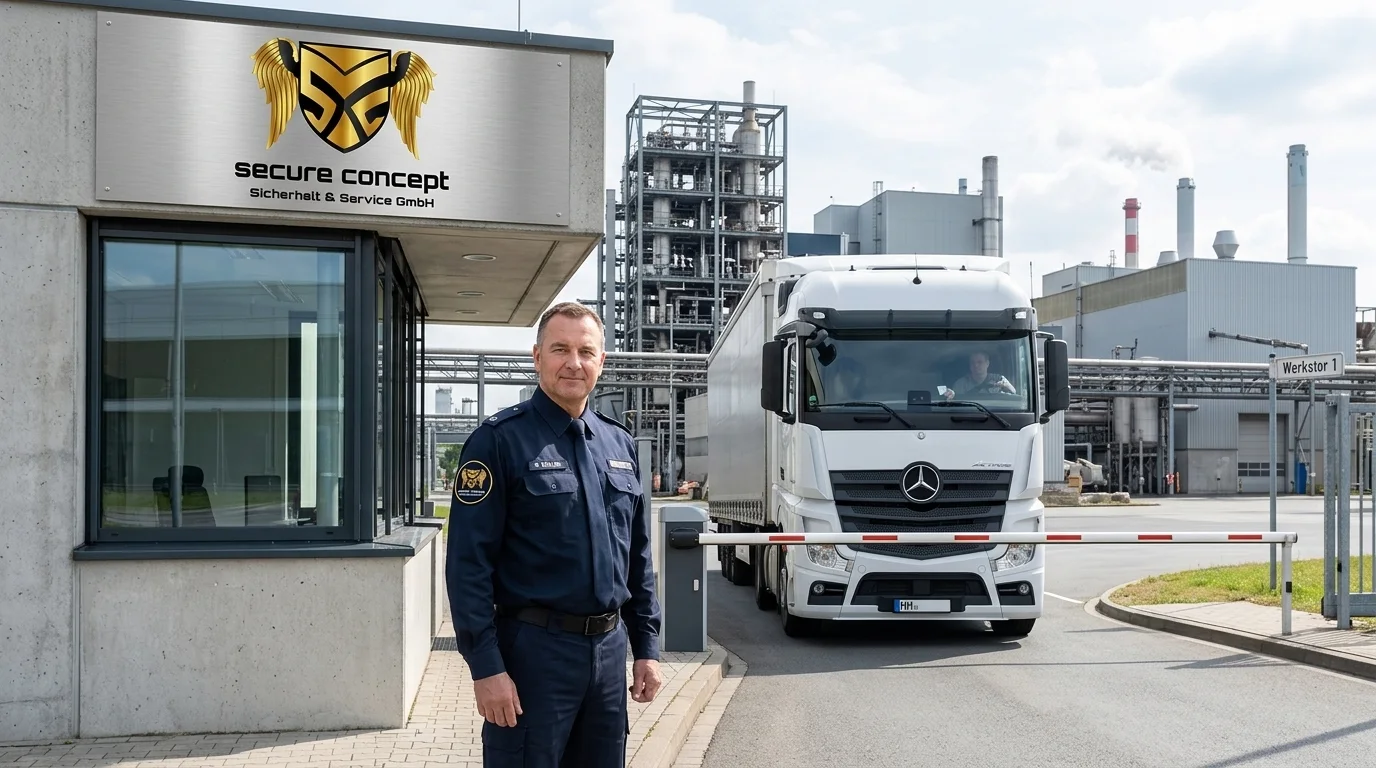
The assessment does not need to be unnecessarily complex. For a smaller office property, a professionally organized reception service with controlled access and regular patrols may be sufficient. Industrial or logistics properties, on the other hand, often require several layers of protection, such as [gate and reception services](https://secure-concept-gmbh.de/leistungen/pforten-empfangsdienst/), vehicle access control, mobile patrols, video surveillance, and alarm response.
## Layered Protection Instead of Isolated Measures
The most reliable security concepts do not depend on a single measure. A security officer can identify suspicious situations at an early stage and intervene in a de-escalating manner. Technical systems can monitor areas around the clock and report incidents. However, it is the combination of both levels that creates a robust security structure.
A visible presence at the reception desk or gate serves several purposes. Security personnel can monitor visitors and service providers, receive reports, manage key handovers, and ensure a professional first impression. The first impression. Secured. Particularly in high-quality office and corporate properties, this combination of service and security is an important factor for employees, customers, and business partners.
Patrols complement stationary security personnel. They inspect doors, windows, access points, fire protection areas, and unusual changes within the property. Their value goes beyond deterrence. Regular and traceably documented inspections help identify damage, technical issues, or security irregularities at an early stage before they develop into more serious incidents.
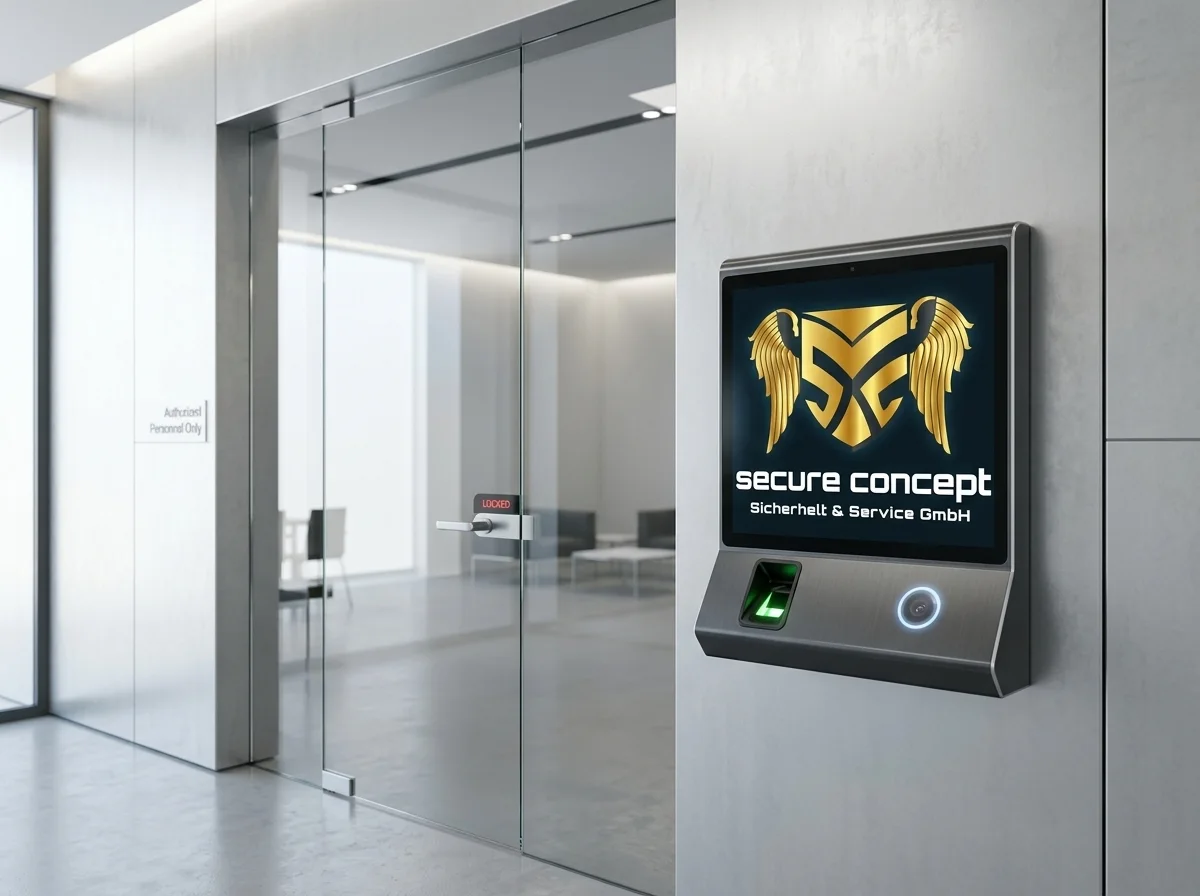
Technical systems provide targeted support. Video surveillance can secure entrances, vehicle access points, and particularly vulnerable areas. Access control systems provide traceable authorization management and reduce dependence on mechanical keys. Alarm systems detect unauthorized openings or movements. Their effectiveness, however, depends on whether alarms are assessed, prioritized, and consistently handled. An alarm signal without a defined response is not yet protection.
## Clear Processes Make the Difference in an Emergency
When a security incident occurs, speed is not the only factor that matters. It is equally important that everyone involved knows their responsibilities and acts according to clearly defined procedures. Unclear responsibilities waste valuable time, create misunderstandings, and can unnecessarily disrupt business operations.
A professional deployment plan therefore defines reporting channels, responsible contacts, access rights, and escalation levels. When an alarm is triggered, for example, the procedure may include an initial assessment by the control center or on-site security personnel, an inspection of the affected area, securing the location, notifying designated contacts, and, when necessary, involving the police, fire department, or other relevant authorities.
Not every alarm requires the same response. A technical malfunction, an open window, and an attempted unauthorized entry must each be assessed differently. Professional security services respond appropriately to the situation, maintain transparent documentation, and always act proportionately. Integrity and responsibility are especially important when decisions must be made under time pressure.
Documentation also serves as a management tool. Inspection reports, incident logs, shift handovers, and recorded irregularities make security services transparent. Property managers thereby gain a reliable basis for identifying vulnerabilities, adjusting measures, and providing information to property owners, insurers, or internal departments when required.
## Security Must Support Business Operations
Property security should not unnecessarily slow down business operations. In commercial properties, security requirements must coexist with delivery schedules, shift changes, customer traffic, and tight operational timeframes. Controls that are too rigid can disrupt processes, while excessive openness creates avoidable risks.
The right solution lies in intelligent organization. Suppliers can be registered in advance and received at designated points. Visitors can be assigned clear contacts and time-limited access permissions. Employee entrances can remain quick and convenient to use while sensitive areas are secured separately. Construction sites or temporary project areas require different rules from permanently occupied office or production facilities.
The conduct of security personnel also affects acceptance. Acting in a friendly, attentive, and professional manner does not contradict consistent enforcement. On the contrary, professional communication prevents many conflicts before they escalate. Discretion is particularly important when sensitive individuals, confidential information, or internal processes are involved.
## When Stationary Security, Mobile Patrols, or Technology Make Sense
Which measures are both economical and effective depends on the level of risk, property size, type of use, and required response time. A permanently staffed reception desk or gate provides high visibility and immediate availability. It is particularly useful for locations with high visitor volumes, sensitive access points, or representative corporate premises.
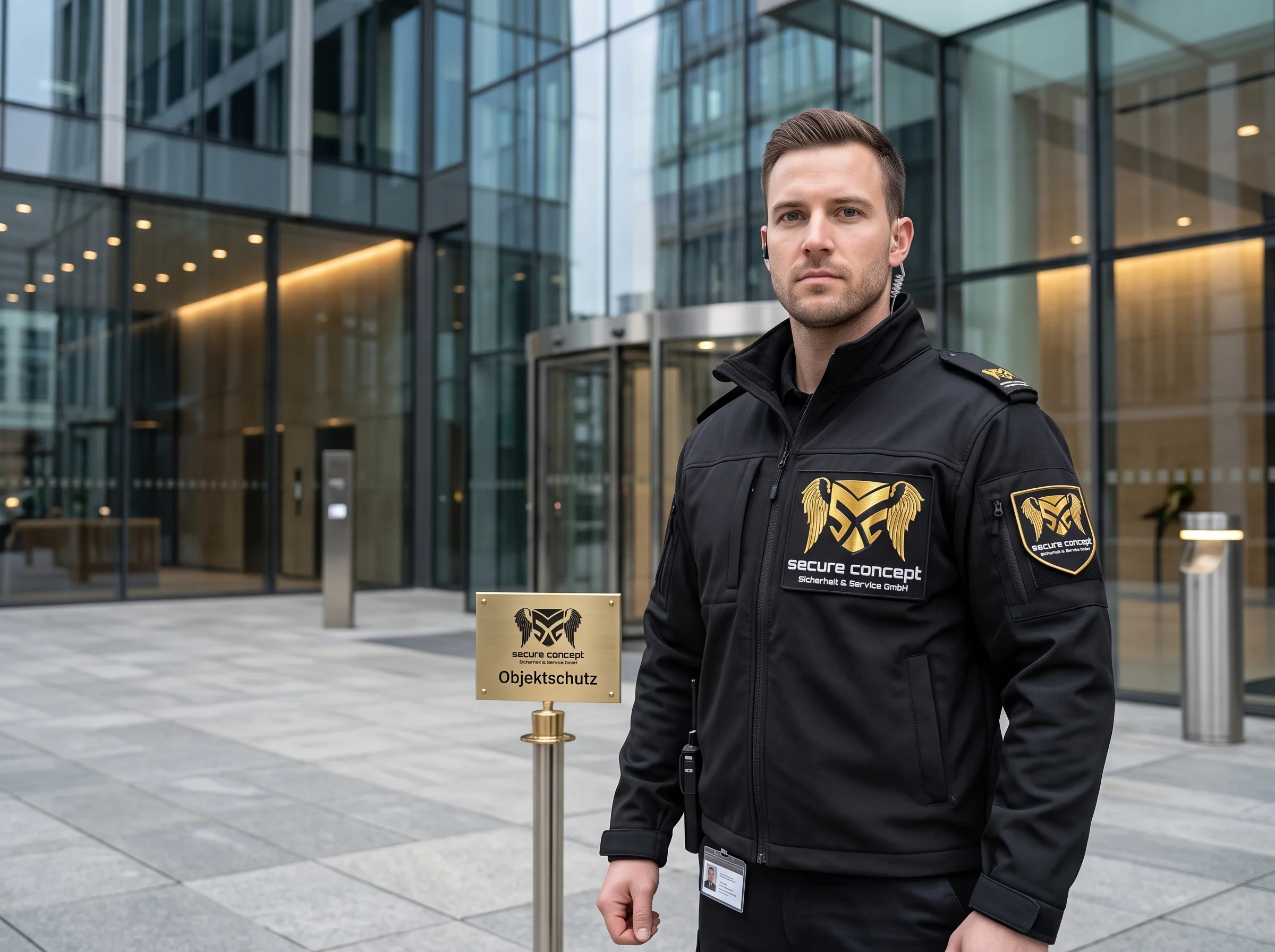
[A mobile patrol service](https://secure-concept-gmbh.de/leistungen/objektschutz/) can be the right choice when a property requires inspections outside business hours but does not need permanent staffing. Multiple inspection times, varying patrol routes, and documented findings provide an effective complement to technical security systems. Mobile patrols can be especially suitable for large premises, storage areas, or construction sites.
Technology enables continuous monitoring and can significantly support security personnel. However, it cannot fully replace human assessment. Video surveillance must comply with data protection requirements, alarms require clearly defined response procedures, and access control systems must be properly administered. The best solution is often a layered one: technology detects, qualified personnel assess, and a clearly defined response chain takes action.
Secure Concept GmbH plans these [layers of protection according to the specific property](https://secure-concept-gmbh.de/leistungen/individuelle-loesungen/) — from risk assessment and operational planning to ongoing monitoring and adjustment. Being available around the clock means more than simply being reachable: it means having a reliable course of action in place for predefined incidents.
## Review Regularly and Adjust Where Necessary
A security concept remains effective only if it evolves with the property. New tenants, renovations, changes in operating hours, additional storage areas, or personnel changes can alter the assumptions on which the original security plan was based. Following an incident, it is also worth objectively reviewing which layer of protection worked as intended and where processes need to be improved.
Property security should therefore not be planned only after the first loss or incident occurs. Those who establish clear access procedures, responsibilities, and response chains at an early stage create an environment in which employees can work safely, visitors are received professionally, and risks remain manageable.